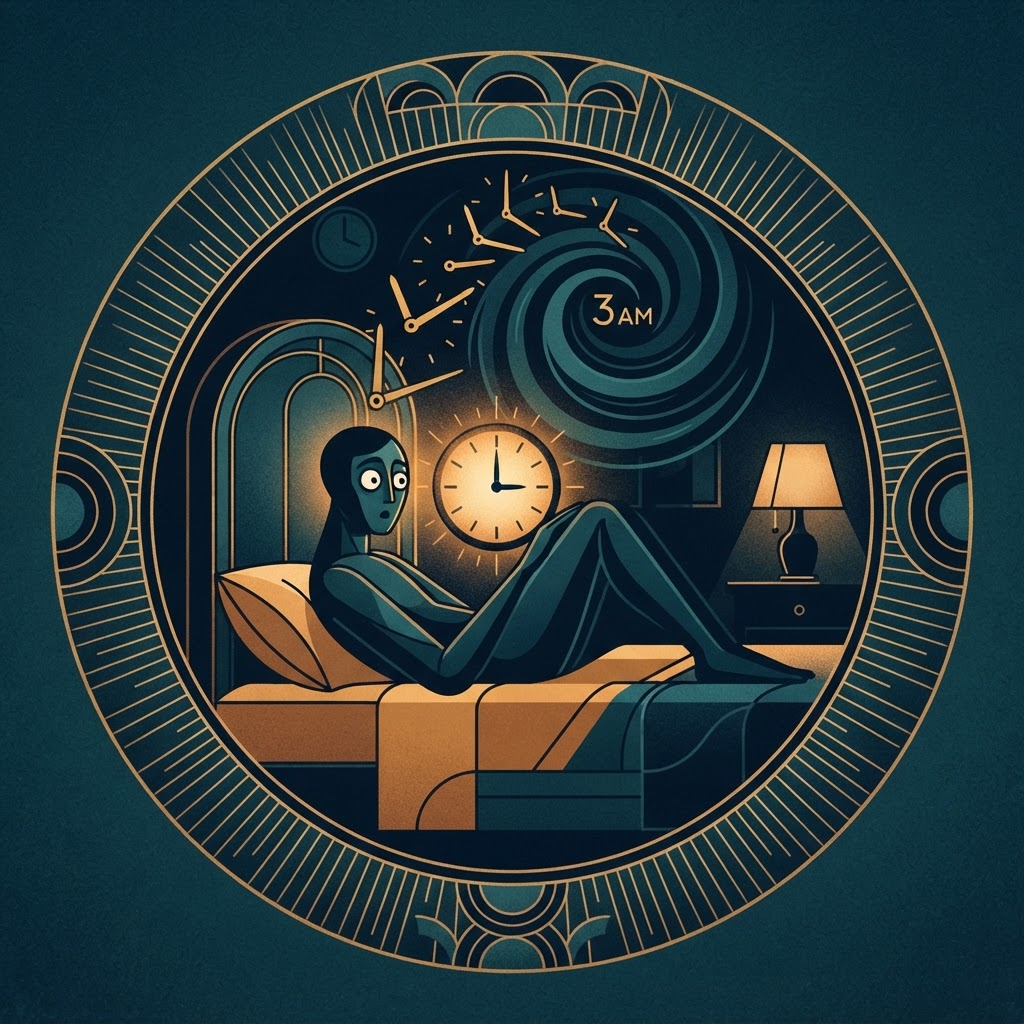
It is 2:00 AM. The room is dark, save for the harsh blue glow of your smartphone. You started by checking a single notification, but forty-five minutes later, you are deep in a thread about global economic instability, climate catastrophes, and local crime reports. Your heart is racing, your stomach feels tight, and you are exhausted—yet you cannot stop moving your thumb. You are doomscrolling.
The term “doomscrolling” describes the compulsive, repetitive consumption of negative media, primarily through electronic devices [14], [15]. While it rose to cultural prominence during the global pandemic, it has remained a persistent behavioral loop for millions [20]. As a writer for The Scroll, I often explore how our digital environments interact with our ancient biology. Doomscrolling is perhaps the most poignant example of this collision: a modern habit fueled by evolutionary survival mechanisms that have gone haywire in the age of the infinite feed.
The Evolutionary Trap: Why We Seek Out Danger
To understand why we doomscroll, we must first understand that our brains are not designed for happiness; they are designed for survival. From an evolutionary perspective, ignoring a threat is far more dangerous than ignoring a reward. This is known as the “negativity bias.” Our ancestors who were hyper-attuned to the rustle in the grass (a potential predator) were the ones who survived to pass on their genes.
In the digital age, social media platforms deliver a constant stream of what the brain craves most: novelty and danger [2]. When we encounter a headline about a new crisis, our brain treats it as a potential threat that must be understood to be mitigated. We scroll not because we enjoy the bad news, but because we are searching for a resolution or a sense of control that never arrives [1].
The Slot Machine of Sadness: Variable Rewards and Infinite Feeds
If doomscrolling makes us feel so miserable, why is it so addictive? The answer lies in the way these platforms are engineered. Doomscrolling is often described as the digital equivalent of a slot machine [1]. It utilizes a psychological principle called “variable ratio reinforcement.” You don’t know when the next “important” or “relevant” piece of information will appear, so you keep scrolling to find it.
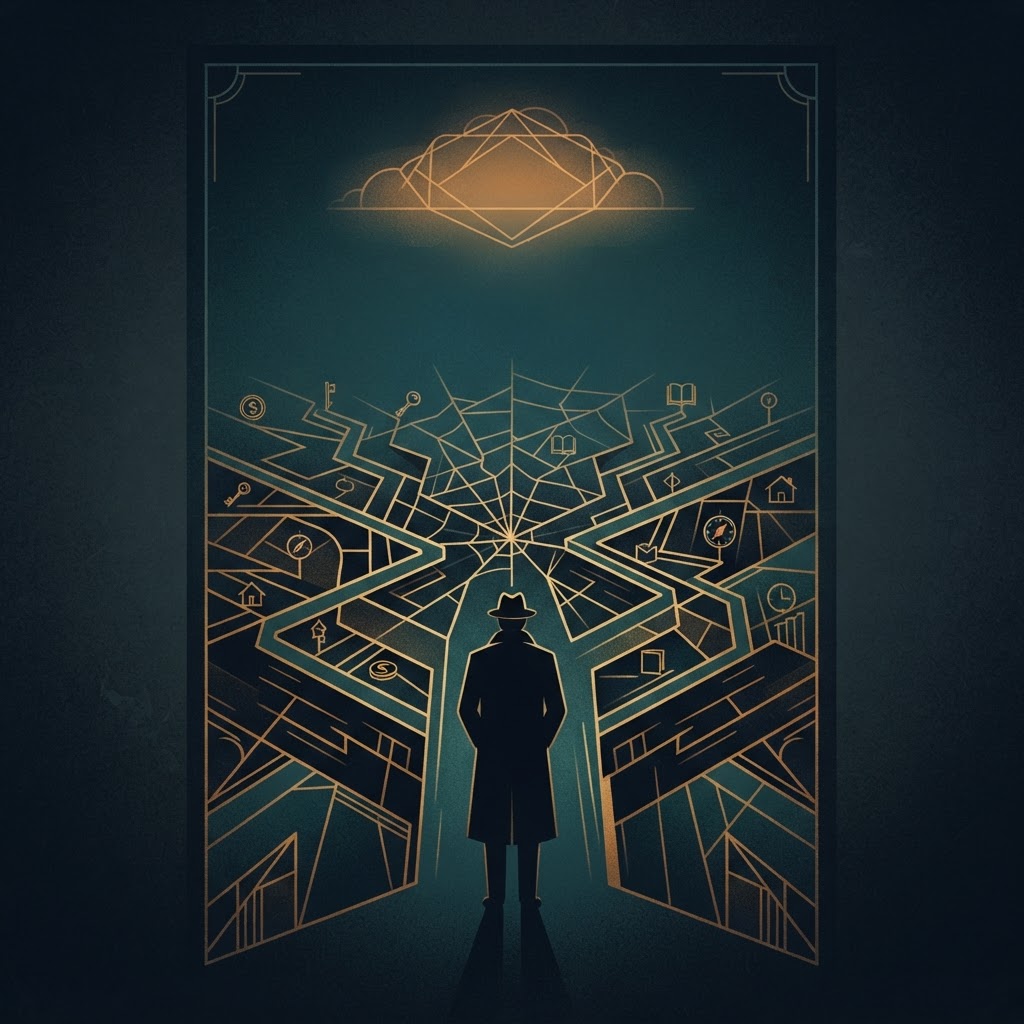
Unlike traditional media, such as a nightly news broadcast or a physical newspaper, social media has no natural stopping point [1], [2]. In the past, the news ended, and you returned to your life. Today, the “infinite scroll” ensures there is no final episode or closed drawer. This lack of a stopping cue keeps the nervous system in a state of “emotional neutral,” suspended and unable to land [1]. Furthermore, algorithms learn from our behavior; if we engage with negative content, the platform delivers more of it, creating a self-reinforcing loop of distress [2].
The Mental Health Toll: What the Research Says
The psychological consequences of this habit are well-documented and severe. A 2023 research review published in Applied Research in Quality of Life analyzed three separate studies involving approximately 1,200 adults, finding that doomscrolling is consistently linked to lower life satisfaction and worse mental well-being [3].
Research led by Satici et al. (2022) further clarified this relationship, demonstrating that “psychological distress” acts as a mediator between doomscrolling and overall harmony in life [4], [21]. Essentially, the more we scroll, the more distressed we become, which in turn erodes our ability to feel satisfied with our daily existence. This cycle is particularly potent on platforms like Twitter (now X), which are designed to function as primary news sources and are significantly associated with higher rates of doomscrolling compared to other social media platforms [4].
The Biological Cost: Cortisol and Inflammation
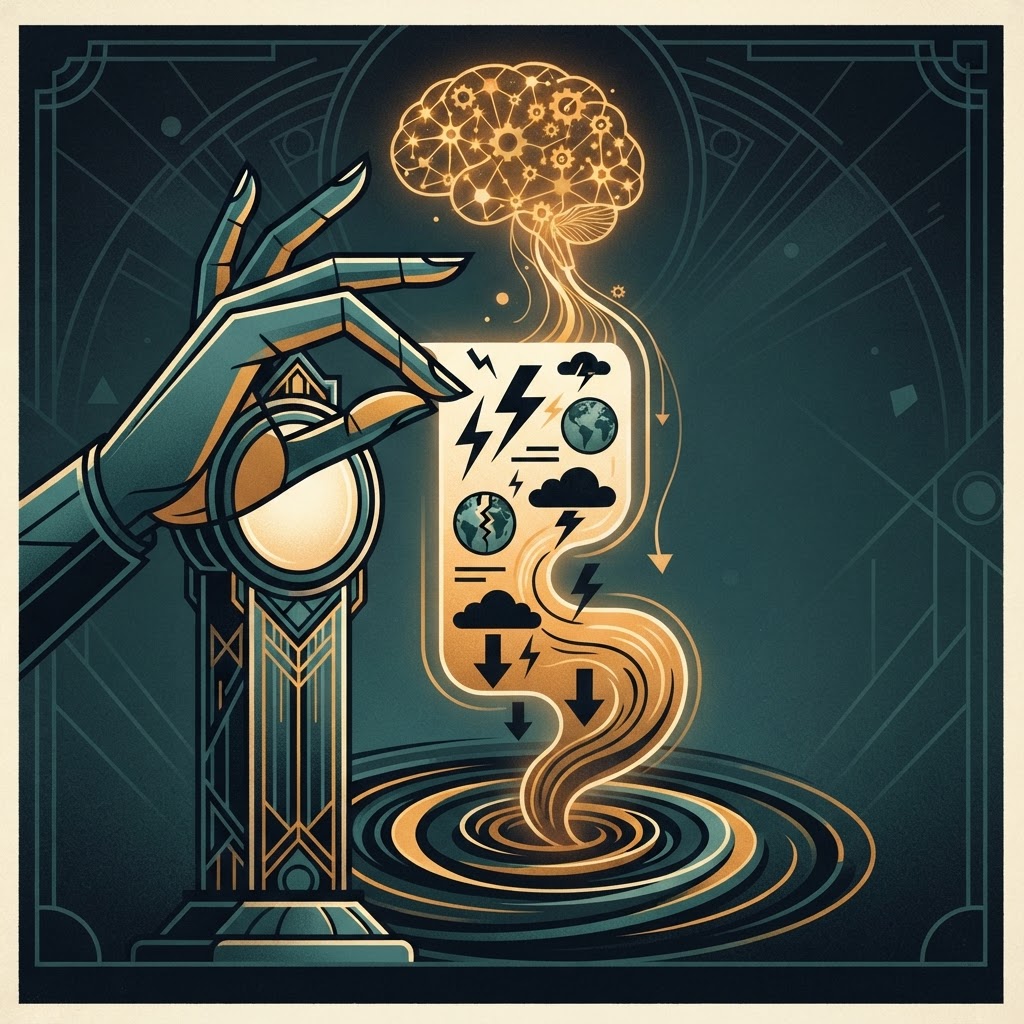
Beyond the emotional impact, doomscrolling takes a physical toll. Constant exposure to distressing news triggers the body’s stress response, flooding the system with cortisol. Over time, chronically high levels of cortisol can lead to brain and body exhaustion, resulting in systemic inflammation that contributes to both mental and physical health issues [13]. This “nervous system overload” turns a digital habit into a physiological burden [1].
Breaking the Loop: Evidence-Based Strategies
Recognizing that you are stuck in a doomscrolling loop is the first step toward recovery. Because this behavior is often automatic and mindless, breaking it requires intentionality and the implementation of “friction.”
1. Set Hard Boundaries
Instead of relying on willpower, use technology to your advantage. Set specific time limits for news and social media apps using your phone’s built-in wellness tools [8], [13]. Experts suggest scheduling a specific time to check the news rather than doing it reactively throughout the day [8].
2. Curate Your Environment
Your feed is your digital home; you have the right to choose who enters it. Unfollow or mute accounts that thrive on outrage and fear [8], [11]. For every negative story you consume, consciously seek out something informative or uplifting to balance the scales [8].
3. Practice “Thought-Stopping”
When you reach for your phone, pause and ask “why?” If there isn’t a legitimate reason, use a cognitive behavioral technique called thought-stopping to halt the impulse [13]. Replacing the scroll with a grounding activity—such as a short walk, journaling, or a mindfulness exercise—can help rewire your brain’s response to stress [20].
4. Read, Don’t Skim
Skimming headlines increases reactionary processing and anxiety. Making a mental practice of reading full articles instead of just headlines can help you process information more deeply and less emotionally [8].
Final Thoughts from Hollow Reed
Doomscrolling is not a character flaw; it is a predictable response to a digital landscape designed to exploit our survival instincts. By understanding the psychology of the scroll, we can begin to reclaim our attention and our peace of mind. The world will always have crises, but we do not have to sacrifice our mental harmony to stay informed.
Sources
- The Psychology of Doom Scrolling Explained – https://rowancenterla.com/psychology-of-doom-scrolling-explained
- Doomscrolling: Stop the scroll, protect your mental health – https://mcpress.mayoclinic.org/mental-health/doom-scrolling-and-mental-health
- Doomscrolling dangers - Harvard Health – https://www.health.harvard.edu/mind-and-mood/doomscrolling-dangers
- Doomscrolling Scale: its Association with Personality Traits, Psychological Distress, Social Media Use, and Wellbeing – https://pmc.ncbi.nlm.nih.gov/articles/PMC9580444
- Doomscrolling: Why Can’t We Stop? | Psychology Today – https://www.psychologytoday.com/us/blog/screen-time/202502/doomscrolling-why-cant-we-stop
- The Psychology of Doomscrolling: Why It’s Addictive, How It Harms Mental Health, and How to Break the Cycle – https://www.tavahealth.com/resources/doomscrolling-mental-health
- What Doomscrolling Is and How To Stop – https://health.clevelandclinic.org/everything-you-need-to-know-about-doomscrolling-and-how-to-avoid-it
- How To Stop Doomscrolling – https://www.ynhhs.org/articles/how-to-stop-doomscrolling
- The Psychology Behind Doomscrolling and How to Stop – https://www.impossiblepsychservices.com.sg/our-resources/articles/2025/04/11/the-psychology-behind-doomscrolling-and-how-to-stop/
- Doomscrolling Scale: its Association with Personality Traits, Psychological Distress, Social Media Use, and Wellbeing - PubMed – https://pubmed.ncbi.nlm.nih.gov/36275044/