
The Midnight Rebellion
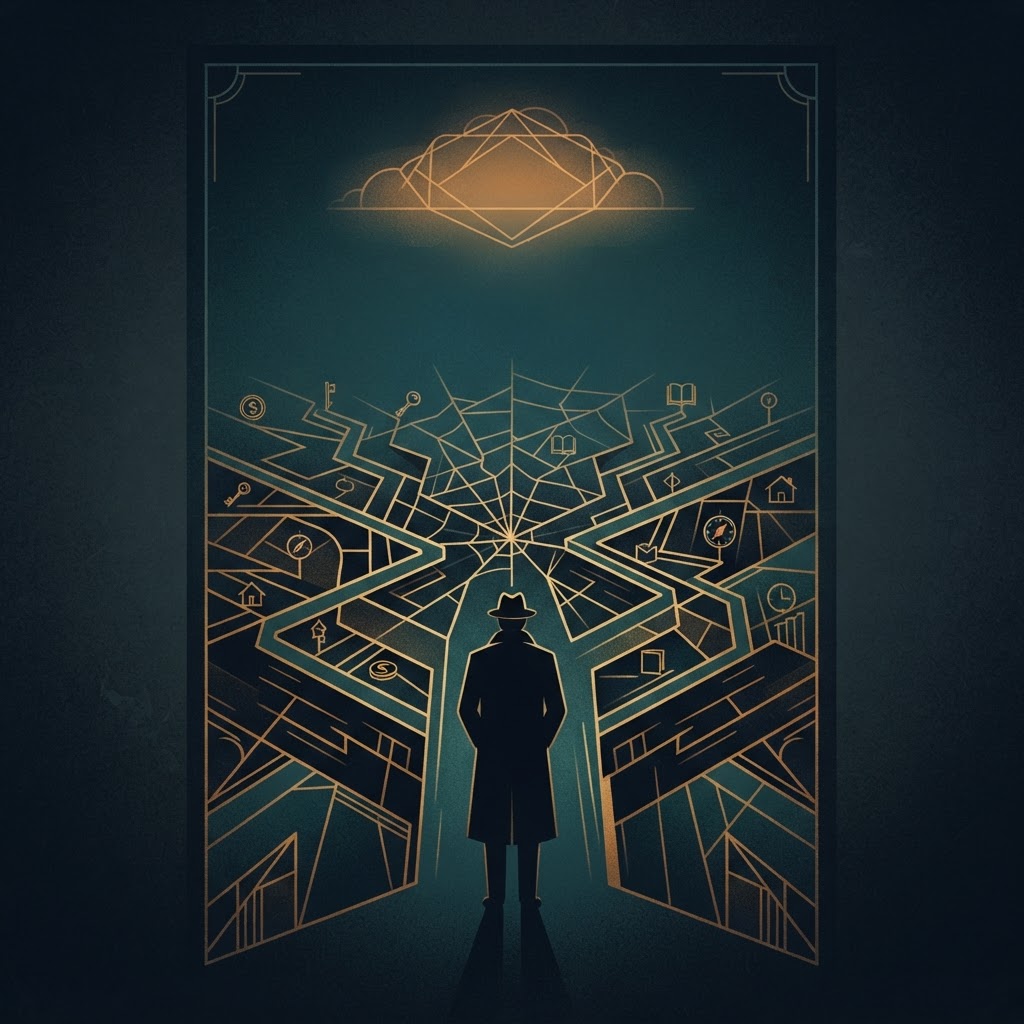
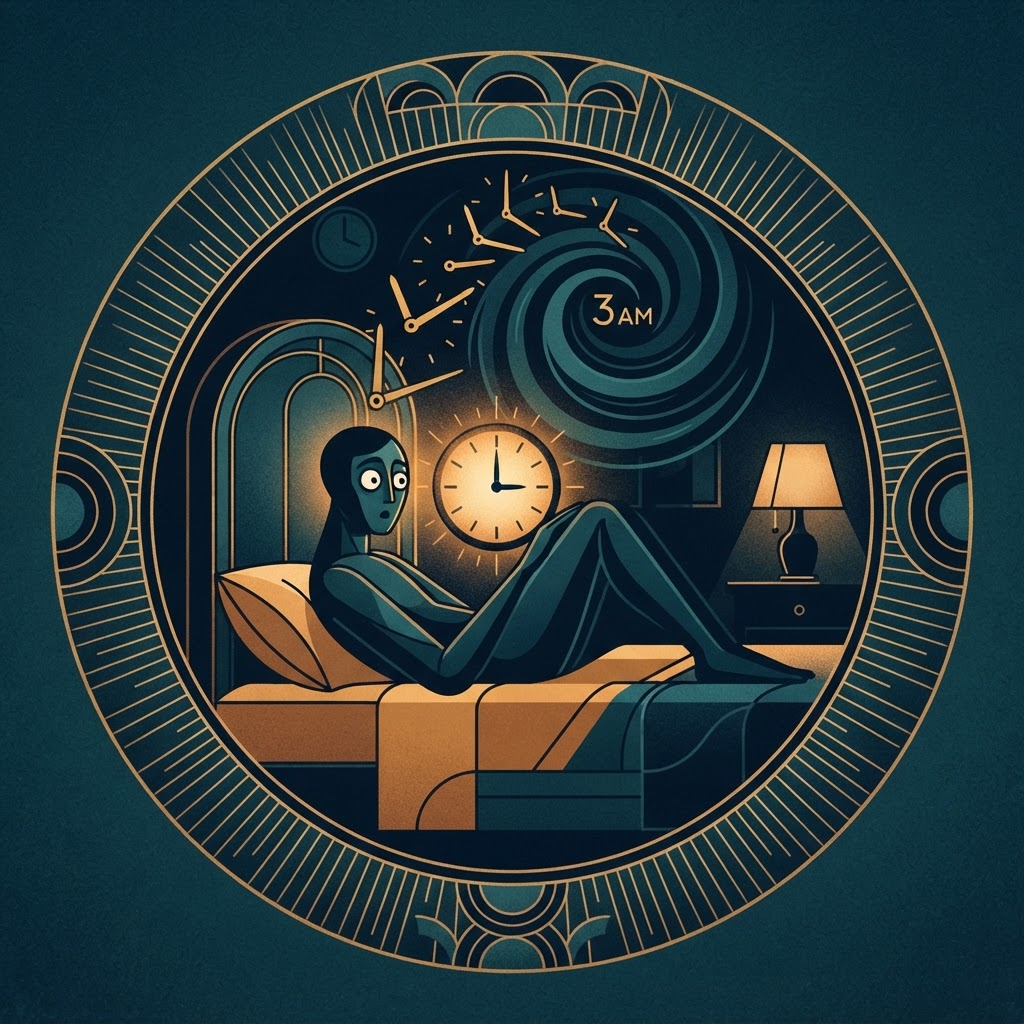
It is 1:00 AM. Your alarm is set for 7:00 AM, and you have a demanding day ahead. Yet, instead of drifting off, you find yourself scrolling through social media, watching random videos, or organizing your digital files. You are not tired, but you are certainly not productive. This phenomenon, known as revenge bedtime procrastination, has become a defining struggle of the modern era [3].
At its core, bedtime procrastination is defined as the act of failing to go to bed at an intended time, despite having no external circumstances preventing you from doing so [1, 6]. When we add the prefix "revenge," we are describing a specific psychological response: the intentional delay of sleep as a way to reclaim personal time after a day spent feeling powerless or over-scheduled [5].
Why We Self-Sabotage
The psychology behind this behavior is rooted in a perceived lack of control. For many, the workday is a series of obligations, deadlines, and demands from others. By the time evening arrives, the only "free" time available is the window between finishing chores and falling asleep [3].
Psychologically, staying up late becomes a form of autonomy. By choosing to sacrifice sleep, you are essentially "stealing" time back from the day to engage in activities that feel like your own [5]. It is a paradoxical act of self-care that ultimately results in self-sabotage, as the very act of staying up late creates a deficit that makes the next day even more demanding [9].
The Cost of the Stolen Hour
While the desire for personal time is valid, the physiological and cognitive costs are significant. Research indicates that sleep deprivation is not merely about feeling tired; it has profound impacts on our mental and physical health:
- Cognitive Impairment: Studies have shown that sleep deprivation significantly impacts memory, affecting both the ability to learn new information and the consolidation of memories after learning [4, 10].
- Emotional Instability: Chronic lack of sleep is linked to high irritability and can exacerbate existing psychological or psychiatric disorders [2, 7].
- The Vicious Cycle: Sleep disorders can create a feedback loop where poor sleep leads to increased stress, which in turn makes it harder to regulate behavior the following night [2].
Breaking the Loop
Understanding that revenge bedtime procrastination is a response to a lack of agency is the first step toward change. If you find yourself trapped in this cycle, consider these evidence-based shifts:
- Schedule "Me Time" Earlier: Instead of waiting until the end of the day to find freedom, try to carve out small pockets of personal time during the day.
- Acknowledge the Trade-off: Recognize that the "revenge" you are taking on your schedule is actually a tax on your future self.
- Create a Buffer Zone: Establish a wind-down routine that signals to your brain that the day is over, allowing you to transition into rest without feeling like you are losing your autonomy.
By shifting our perspective from "stealing time" to "protecting our energy," we can begin to reclaim our nights without sacrificing our well-being.
Sources
- Bedtime procrastination: introducing a new area of – https://www.frontiersin.org/journals/psychology/articles/10.3389/fpsyg.2014.00611/full
- Sleep Deprivation and Insomnia in Adolescence - PMC – https://pmc.ncbi.nlm.nih.gov/articles/PMC10136689
- Revenge Bedtime Procrastination: Why You Self-Sabotage at Night – https://www.sleepfoundation.org/sleep-hygiene/revenge-bedtime-procrastination
- Sleep Deprivation and Memory: Meta-Analytic Reviews of – https://psycnet.apa.org/fulltext/2022-40433-004.html
- Bedtime procrastination – https://en.wikipedia.org/wiki/Bedtime_procrastination
- Bedtime procrastination: introducing a new area of – https://pubmed.ncbi.nlm.nih.gov/24994989
- High irritability – https://missionconnectionhealthcare.com/mental-health/nervous-breakdown/sleep-deprivation
- Revenge bedtime procrastination: Gen Z is losing 332 hours of sleep a year on purpose; research says it’s not working – https://www.thestatesman.com/lifestyle/revenge-bedtime-procrastination-gen-z-sleep-habits-1503601271.html
- Sleep Deprivation and Memory: Meta-Analytic Reviews of – https://www.researchgate.net/publication/359005224_Sleep_deprivation_and_memory_Meta-analytic_reviews_of_studies_on_sleep_deprivation_before_and_after_learning