The Comfort of Yesterday
Have you ever caught the scent of a specific perfume or heard a song from your teenage years and felt an immediate, visceral pull toward a time long gone? That bittersweet pang—the feeling of pleasure mixed with a slight, aching sadness—is nostalgia. Once dismissed by 17th-century physicians as a literal illness [9], nostalgia is now understood by modern psychologists as a complex, adaptive, and profoundly human emotion [2].
Far from being a sign of stagnation, nostalgia acts as a psychological "time portal" [2]. It is a mechanism that allows us to navigate the complexities of the present by anchoring ourselves in the stability of our own history [9].
The Anatomy of a Memory
At its core, nostalgia is rooted in memory rather than time itself [5, 7]. It is a predominantly positive experience that helps us build a coherent sense of identity [9]. When we engage in "nostalgizing," we aren't just daydreaming; we are actively regulating our emotions [9].
Research suggests that nostalgia serves several vital functions:
- Social Connectedness: Nostalgia is a highly social emotion. It reminds us of the people who have shaped our lives, helping to alleviate feelings of loneliness and disconnectedness [2, 4].
- Emotional Regulation: When faced with stress or anxiety, the mind often dips into the archive of the past to find comfort and stability [9].
- Identity Formation: By reflecting on our past, we develop a clearer narrative of who we are and who we want to become [4, 9].
The Autonomy Alarm
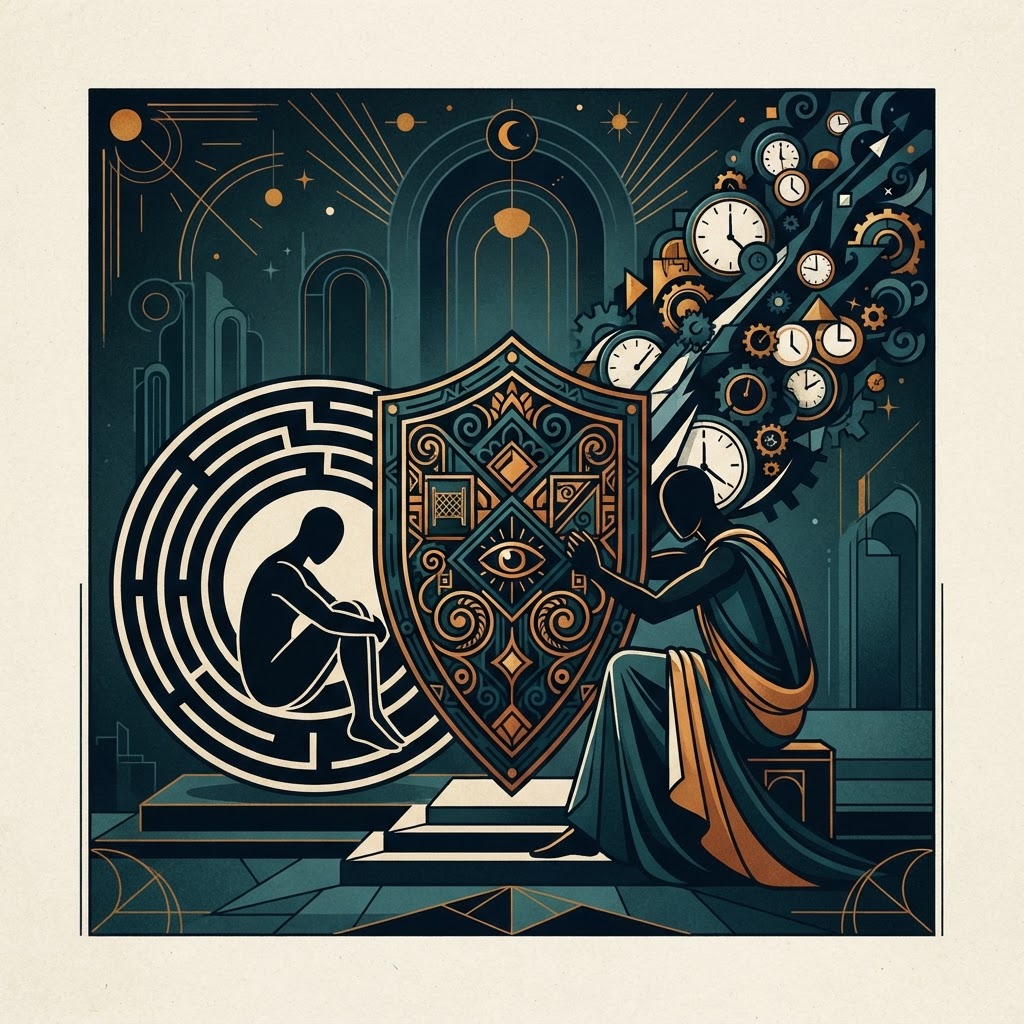
One of the most fascinating recent developments in nostalgia research involves the concept of "authorship." Studies in self-determination theory suggest that when our sense of autonomy is constrained—when we feel like we lack control over our daily lives—nostalgia often fires reflexively [6]. It acts as an internal alarm, reminding the mind of a time when we were the primary authors of our own experiences [6]. In this light, the modern "nostalgia epidemic" may be a collective response to the feeling that our daily lives are increasingly being authored for us by algorithms and external pressures [6].
The Price of the Past
While nostalgia provides psychological comfort, it also has tangible effects on our behavior, particularly in the marketplace. Because nostalgia fosters a sense of social connectedness, it can actually weaken our desire for money [3]. Research published in the Journal of Consumer Research found that when people are induced to feel nostalgic, they are often willing to pay more for products [3]. By "buying" a piece of the past, we are often attempting to purchase the feeling of security and belonging that those memories represent [3].
"The land which happened inside us no one can take away from us again, not even ourselves." — André Brink, An Instant in the Wind [2]
Navigating the Bittersweet
It is important to note that nostalgia is a double-edged sword. While it is generally a positive force for well-being, for individuals prone to rumination or depression, it can sometimes foster a negative state of mind [9]. The key lies in how we use it. When used as a tool for self-reflection and connection, it is a powerful resource. When used as a way to escape the present entirely, it can become a barrier to growth [9].
The next time you feel that familiar pull toward the "good old days," recognize it for what it is: your mind’s way of recalibrating. You aren't just looking back; you are gathering the strength to move forward.
Sources
- Nostalgia: Why Thinking About the Past Can Be Good for You – https://www.psychologytoday.com/us/blog/mindful-anger/202205/nostalgia-why-thinking-about-the-past-can-be-good-you
- The Meaning of Nostalgia – https://www.psychologytoday.com/us/blog/hide-and-seek/201411/the-meaning-of-nostalgia
- Nostalgia effect: Do consumers spend more when thinking about the past? – https://www.sciencedaily.com/releases/2014/07/140722111707.htm
- Does nostalgia have a psychological purpose? With Krystine Batcho, PhD – https://www.apa.org/news/podcasts/speaking-of-psychology/nostalgia
- On the Nature of Nostalgia: A Psychological Perspective – https://journals.sagepub.com/doi/10.1177/17540739241303497
- The Secret Psychology of Nostalgia – https://www.psychologytoday.com/ca/blog/story-over-spreadsheet/202605/the-secret-psychology-of-nostalgia
- Nostalgia – https://www.psychologytoday.com/us/basics/nostalgia