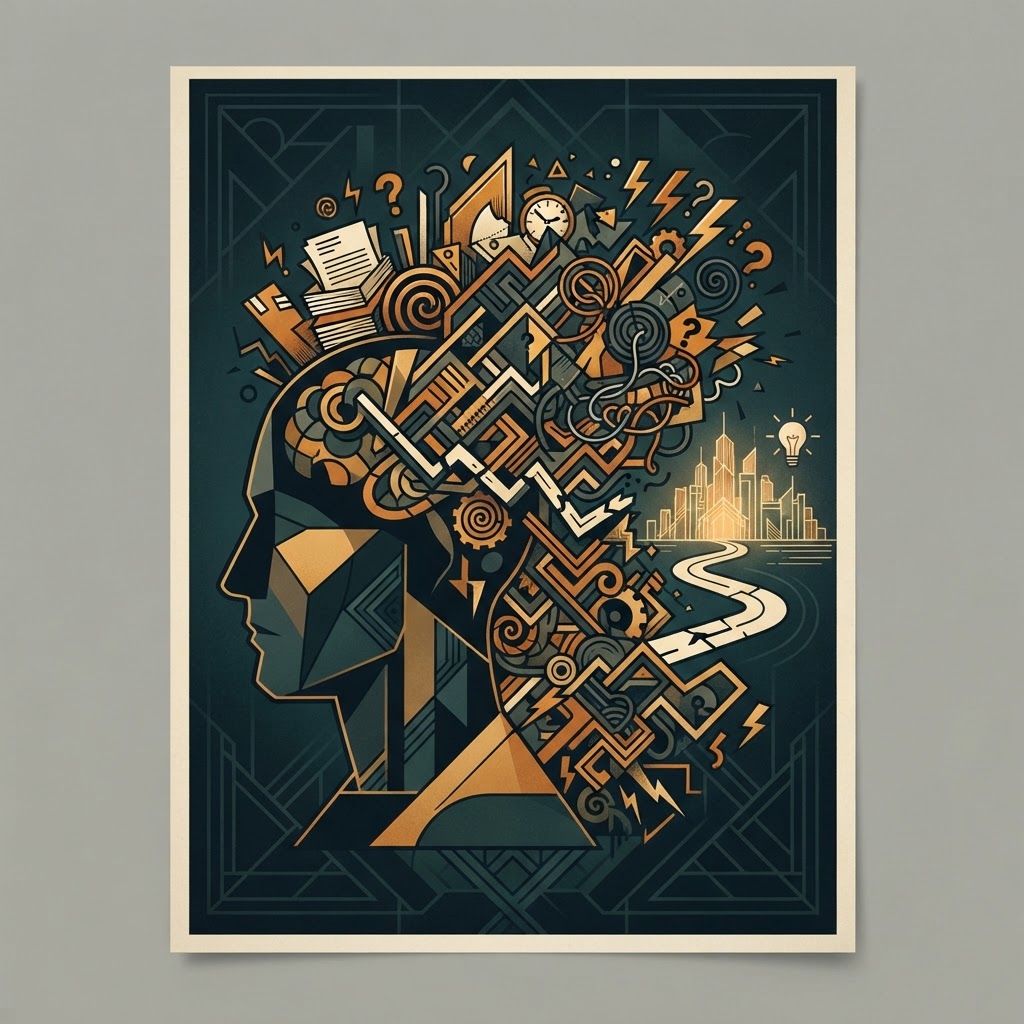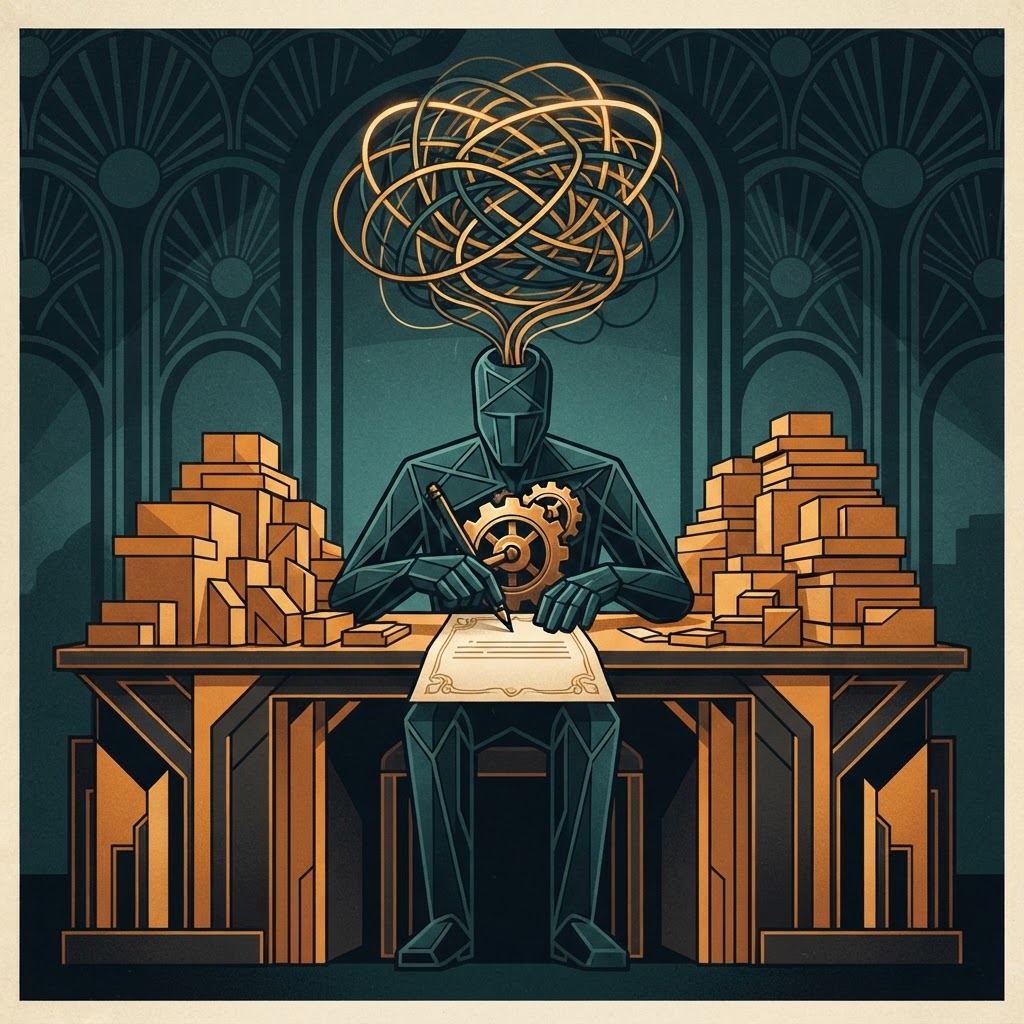
The Silent Burden of Our Surroundings
We have all experienced the phenomenon: a drawer that refuses to close, a closet overflowing with clothes we haven't worn in years, or a stack of papers that has become a permanent fixture on the dining table. While we often dismiss this as mere disorganization, the psychology behind why we cling to clutter is far more complex. It is rarely about the objects themselves; rather, it is about the emotional, mental, and behavioral patterns we use to navigate our lives.
The Emotional Regulation Trap
At its core, clutter is often an emotional regulation problem. Much like procrastination—which is frequently driven by a desire to escape the discomfort of a task [5, 6]—clutter can serve as a physical manifestation of our internal state. When we feel overwhelmed by the size of a project or the demands of life, we may lack the self-efficacy to initiate change, leading to a state of paralysis [3].
Research suggests that clutter is one of the strongest predictors of reduced well-being [9]. When our physical environment is chaotic, it can lead to lower life satisfaction [2]. This is partly due to "low perceptual fluency"; a cluttered room forces the brain to process excessive visual stimuli, which can lead to negative judgments about our space and, by extension, our own productivity [2].
The Sentimental Anchor
Beyond simple disorganization, many of us struggle with the "sentimental anchor." We attach deep meaning to objects, often using them as physical vessels for memories [10]. Keeping a loved one’s belongings is a universal human experience, often rooted in grief or a desire to hold onto a specific version of our past [9].
However, there is a distinct psychological difference between healthy sentimental attachment and the kind of clutter that shrinks our lives. Healthy attachment allows us to keep specific, meaningful items without compromising our living space, whereas problematic clutter often results in feelings of intense anxiety or distress when faced with the prospect of discarding items [10].
Why We Can't Just "Let It Go"
If we know that clutter negatively impacts our mental health, why is it so difficult to clear? The answer lies in how we perceive value. Procrastination occurs when the value of doing something else outweighs the value of working now [4]. Similarly, the act of decluttering is often delayed because the immediate emotional relief of keeping an item (avoiding the "pain" of letting go) outweighs the long-term benefit of a clear space.
Strategies for Breaking the Cycle
- Accept Imperfection: Perfectionism is a major driver of both procrastination and clutter [1, 3]. By accepting that a space does not need to be "perfect" to be functional, we lower the barrier to starting.
- Start Small: When a project feels overwhelming, the brain is intimidated from starting [3]. Breaking the task into manageable, bite-sized goals can help build the habit of organization.
- Recognize the Pattern: Whether your clutter is driven by grief, fear of the future, or simple avoidance, identifying the root cause is the first step toward changing the behavior [9].
Ultimately, our homes are reflections of our internal worlds. By understanding the psychology behind why we cling to the past, we can begin to clear the physical space necessary to move forward into the future.
Sources
- Procrastination: A Basic Human Instinct – https://www.psychologytoday.com/us/blog/not-born-yesterday/201106/procrastination-basic-human-instinct
- Home clutter and mental well-being: Exploring moderators and the mediating role of home beauty – https://www.sciencedirect.com/science/article/pii/S0272494425001550
- Why We Put Things Off – https://www.psychologytoday.com/us/blog/incompetence/202609/why-we-put-things-off
- The Psychological Origins of Procrastination—and How We Can Stop Putting Things Off – https://daily.jstor.org/psychological-origins-of-procrastination
- The Hidden Psychology Behind Why We Procrastinate – https://medium.com/readers-club/the-hidden-psychology-behind-why-we-procrastinate-and-how-to-design-against-it-236fa3ad95b7
- Why we Procrastinate: The Psychology Behind Delayed Decisions – https://www.psychologs.com/why-we-procrastinate-the-psychology-behind-delayed-decisions-and-how-to-fix-it
- You are what you keep: why we cling to clutter and how to free yourself of it – https://www.theguardian.com/lifeandstyle/2026/may/01/you-are-what-you-keep-why-we-cling-to-clutter-and-how-to-free-yourself-of-it
- The Psychology Behind Our Cherished Sentimental Items – https://neurolaunch.com/psychology-of-sentimental-items