
The One-Sided Bond
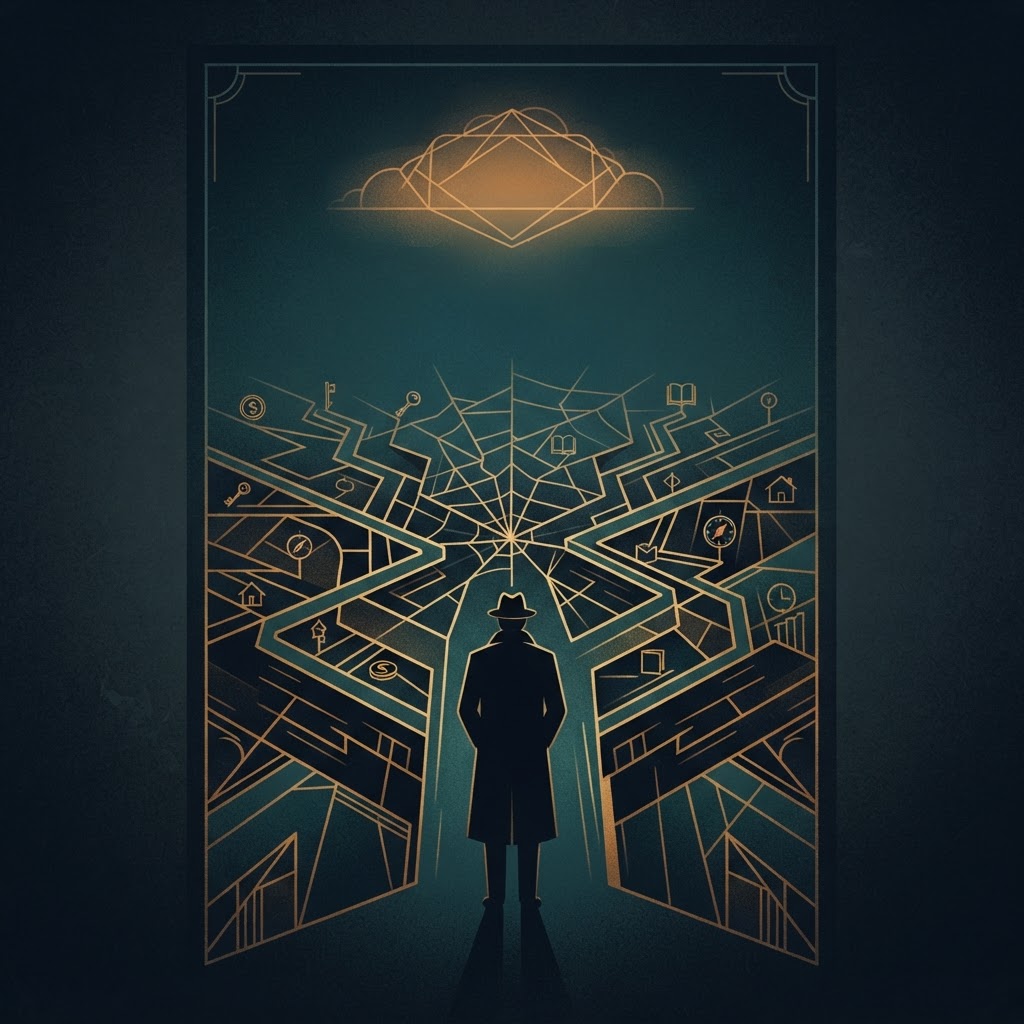
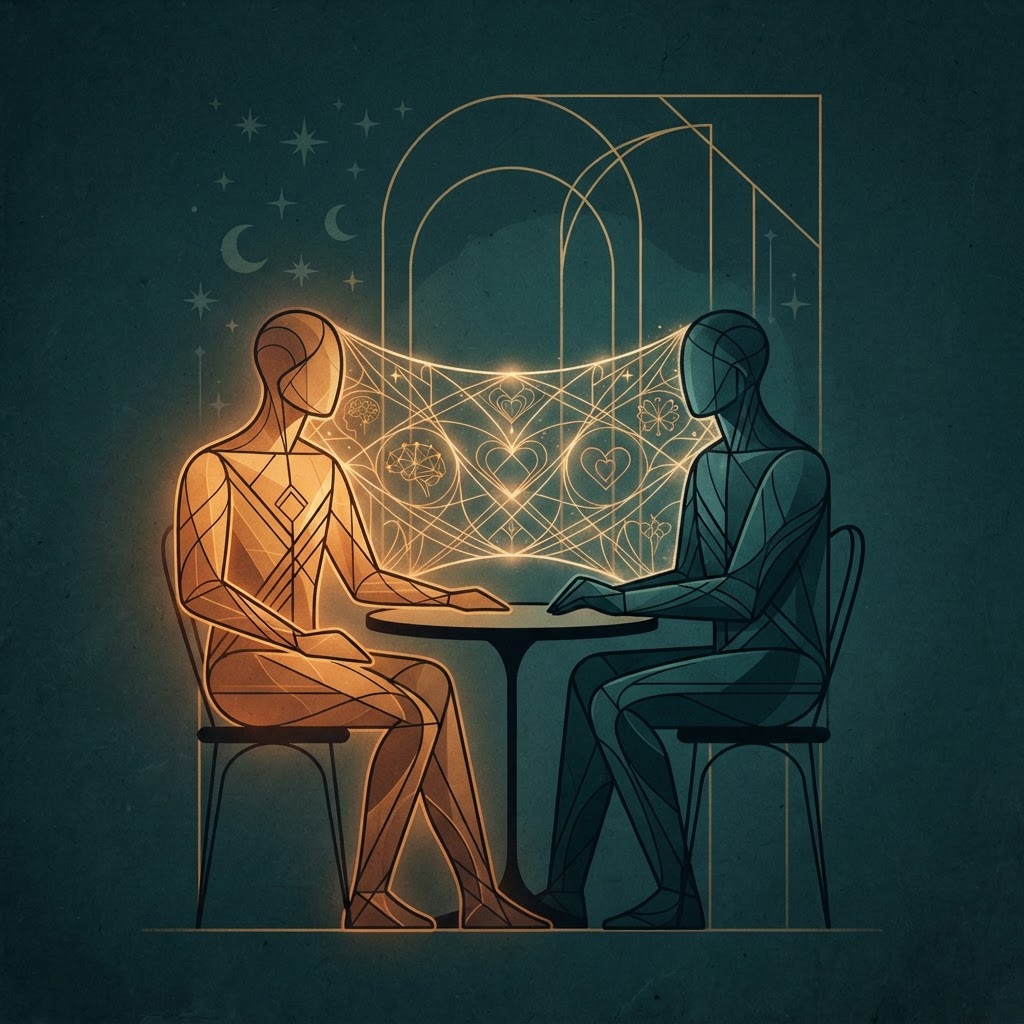
Have you ever found yourself cheering for a celebrity’s romantic success as if they were your own sibling, or feeling a genuine sense of loss when a favorite YouTuber stops posting? If so, you have experienced a parasocial relationship. While it might feel like a unique connection, it is a well-documented psychological phenomenon where an audience member develops a one-sided emotional bond with a media persona—someone who is often entirely unaware of their existence [2, 6, 7].
Defining the Connection: PSI vs. PSR
To understand these bonds, researchers distinguish between two specific concepts: Parasocial Interaction (PSI) and Parasocial Relationship (PSR) [1, 6].
- Parasocial Interaction (PSI): This is the momentary, "in-the-moment" feeling of engagement. It occurs when a media figure speaks directly to the camera, making you feel as though you are part of a face-to-face conversation [6].
- Parasocial Relationship (PSR): This is the long-term evolution of those interactions. Through repeated exposure, the audience member begins to feel a sense of intimacy, identification, and emotional investment in the persona [5, 6].
As noted by researchers, these interactions are often designed to feel like a "FaceTime call" rather than a traditional broadcast, which naturally triggers our brain’s social mechanisms [2].
Why Does Our Brain Fall for It?
The human brain is wired for social connection, and it does not always distinguish perfectly between "real" and "mediated" social cues [2]. When we see a creator on our screen daily, our brains process that familiarity as a form of friendship [5]. Several factors drive this:
- Loneliness and Social Needs: Individuals who feel isolated or lack strong, reciprocal social support may turn to parasocial bonds to fill that void [9].
- Attachment Theory: Psychology suggests that these bonds often draw from our internal attachment styles, providing a sense of security or comfort that mimics real-life relationships [7].
- The Illusion of Access: Social media has accelerated this process by providing 24-hour access to a celebrity’s daily life, creating an "open window" that makes the persona feel accessible and relatable [5].
The Double-Edged Sword: Benefits and Risks
Are these relationships harmful? Not necessarily. Research indicates that parasocial relationships can serve as tools for emotional regulation [7]. They can provide comfort, reduce feelings of loneliness, and even motivate individuals to address their own mental health if they see a public figure doing the same [4, 9].
However, the "one-sided" nature of these bonds carries inherent risks. Because the relationship is not reciprocal, it cannot replace the depth of a real-life, two-way connection [9]. When these bonds become a substitute for real-world interaction, they can lead to increased isolation [4, 9]. Furthermore, when the boundary between "fan" and "friend" blurs, it can foster obsessive tendencies that negatively impact mental health [5].
Navigating the Digital Age
In an era where influencers and celebrities are just a "like" or "comment" away, the line between mediated and real-life interaction is thinner than ever [6]. While feeling a sense of closeness to a public figure is a normal human response to consistent media exposure, it is essential to maintain perspective. Enjoy the content, appreciate the inspiration, but remember that the most meaningful connections are the ones that happen in the real world, where the other person knows you exist.
Sources
- Parasocial Interaction and Parasocial Relationship: Conceptual Clarification and a Critical Assessment of Measures – https://academic.oup.com/hcr/article-abstract/42/1/21/4067693
- PARASOCIAL INTERACTION Slang Meaning | Merriam-Webster – https://www.merriam-webster.com/slang/parasocial-interaction
- Parasocial interaction, parasocial relationships, and well-being – https://psycnet.apa.org/record/2016-19756-011
- How Can Parasocial Relationships Affect Your Life? | KQED – https://www.kqed.org/education/536380/how-can-parasocial-relationships-affect-your-life
- The psychology behind parasocial relationships – The Current – https://nsucurrent.nova.edu/2021/11/08/the-psychology-behind-parasocial-relationships
- PARASOCIAL RELATIONSHIPS — THE PSYCHOLOGY OF RELATIONSHIPS — PSYCHSTORY – https://www.psychstory.co.uk/relationships/parasocial-relationships
- Parasocial Relationships: Why We Feel Close to Strangers – https://www.reachlink.com/advice/loneliness/parasocial-relationships
- Parasocial Relationships | Psychology Today – https://www.psychologytoday.com/us/basics/parasocial-relationships
- How can parasocial relationships affect your mental health? | UCLA Health – https://www.uclahealth.org/news/article/how-can-parasocial-relationships-affect-your-mental-health