The Digital Trap: Why We Can’t Look Away
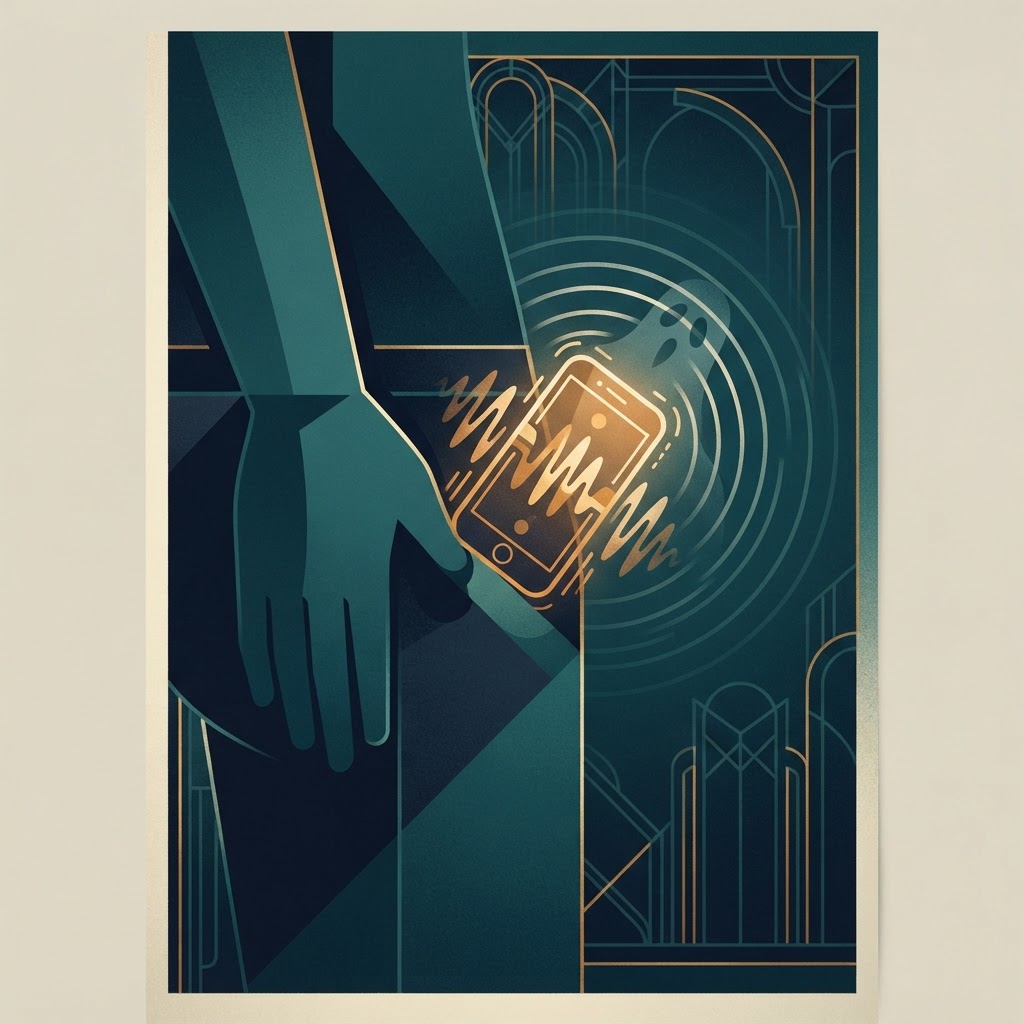
It starts innocently enough. You check your phone for a quick weather update or a notification, but within minutes, you are deep in a rabbit hole of global crises, distressing headlines, and comment-section debates. You feel your anxiety rising, yet your thumb continues to swipe upward. This phenomenon, known as doomscrolling, is the act of spending excessive time consuming digital content that elicits negative emotions [9]. While it feels like a modern curse, the reasons we find ourselves trapped in this cycle are rooted in ancient survival mechanisms and complex behavioral reinforcement loops.
The Evolutionary Hook: Negativity Bias
At the core of our inability to stop scrolling is a survival mechanism called negativity bias [4]. Our brains are hardwired to prioritize negative information over positive or neutral data [1]. For our ancestors, this was a life-saving feature; noticing a rustle in the bushes (a potential predator) was far more important than noticing a beautiful flower. In the modern era, however, this instinct misfires. We treat a distressing headline with the same physiological urgency as a physical threat, triggering our amygdala—the brain’s emotional center—to initiate a fight-or-flight response [1].
Because we are biologically programmed to scan for threats, we feel a false sense of security when we stay informed. We convince ourselves that if we just read one more article, we might find the information that resolves our anxiety [1, 6]. Unfortunately, the digital world offers no such resolution.
The Slot Machine Effect: Variable Ratio Reinforcement
If negativity bias is the bait, variable ratio reinforcement is the hook [7]. This is the same psychological principle that makes slot machines so addictive. Because you never know what the next swipe will bring—a piece of devastating news, a mildly interesting update, or a distracting video—your brain remains in a state of high-alert anticipation [6, 7].
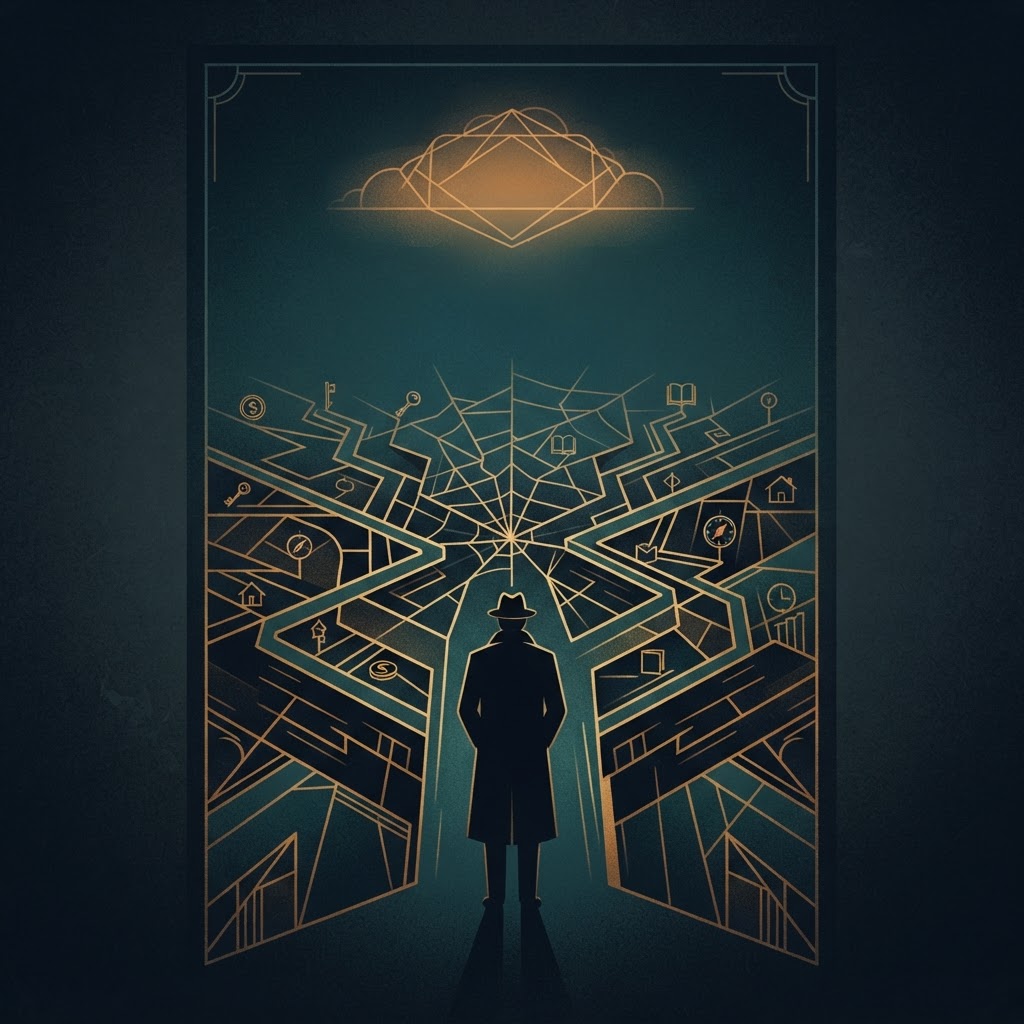
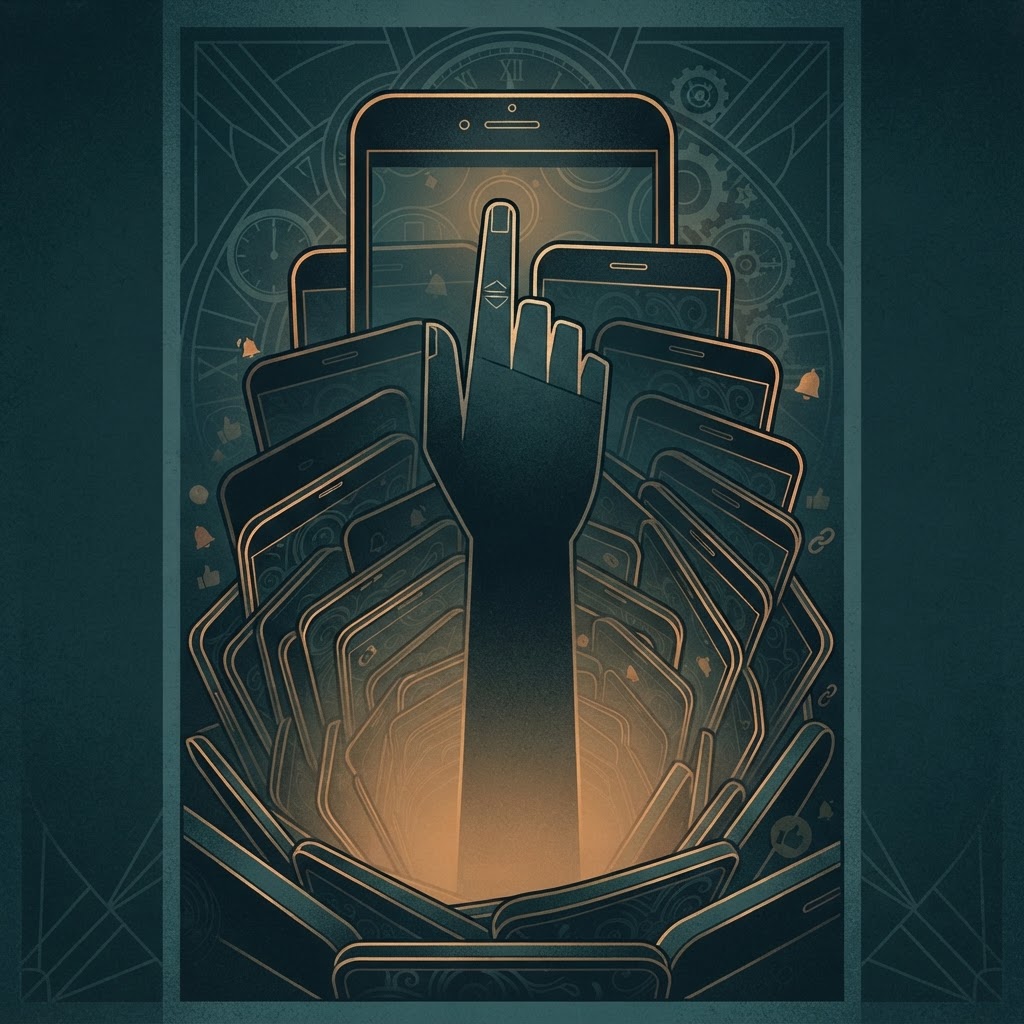
Unlike a book or a television show, which has a clear beginning and end, the digital feed is infinite [7]. There is no natural stopping point, which leaves your nervous system in a state of "emotional neutral," constantly chasing a sense of closure that the algorithm is designed to withhold [7].
The Role of Anxiety and Personality
While everyone is susceptible to the pull of the feed, research suggests that certain individuals are more prone to the habit. Studies have linked doomscrolling to higher levels of anxiety, poor self-control, and specific personality traits [2, 8]. For those already vulnerable to anxiety, the cycle is particularly difficult to break [3]. Anxious individuals tend to orient more quickly to negative cues, making it harder to disengage once they have started reading [3]. Furthermore, the fear of missing out (FOMO) can act as a mediator, driving compulsive engagement as we worry that being "uninformed" puts us at a disadvantage [5, 8].
Breaking the Cycle
Understanding that doomscrolling is a biological and behavioral response—not a personal failing—is the first step toward reclaiming your attention. Because the behavior is often a coping mechanism for feeling out of control, the goal is to replace the "numbing" strategy of scrolling with more active forms of regulation [6, 10].
- Set Intentional Boundaries: Since the feed has no end, you must create one. Use app timers or physical "stop" cues to break the loop.
- Identify the Trigger: Are you scrolling because you are bored, anxious, or seeking connection? Identifying the underlying emotion can help you choose a healthier alternative.
- Practice Mindful Consumption: Shift from passive scrolling to active seeking. Instead of letting the algorithm feed you, set a specific time to check a trusted news source and then close the app.
By recognizing that your brain is simply trying to keep you safe in a world that is far more connected than it was designed to be, you can begin to move from a state of reactive anxiety to one of intentional awareness.
Sources
- There’s a Psychological Reason Why You Can’t Stop Doom Scrolling – https://freedom.to/blog/why-you-cant-stop-doom-scrolling
- The dark at the end of the tunnel: Doomscrolling on social media – https://psycnet.apa.org/fulltext/2022-17934-001.html
- What Is ‘Doomscrolling?’ Why Do We Do It, and How Can We Stop? – https://news.virginia.edu/content/what-doomscrolling-why-do-we-do-it-and-how-can-we-stop
- The Psychology Behind Doomscrolling—And How to Avoid It – https://www.mentalfloss.com/science/psychology/psychology-behind-doomscrolling-and-how-to-avoid-it
- Personality and doomscrolling: The mediating role of fear of – https://www.sciencedirect.com/science/article/pii/S0732118X25000649
- The darkly soothing compulsion of 'doomscrolling' – https://www.bbc.com/worklife/article/20210226-the-darkly-soothing-compulsion-of-doomscrolling
- The Psychology of Doom Scrolling Explained - Rowan Center for Behavioral Medicine – https://rowancenterla.com/psychology-of-doom-scrolling-explained/
- Doomscrolling Scale: its Association with Personality Traits – https://pmc.ncbi.nlm.nih.gov/articles/PMC9580444
- Doomscrolling – https://en.wikipedia.org/wiki/Doomscrolling
- Doomsurfing and doomscrolling mediate psychological – https://onlinelibrary.wiley.com/doi/abs/10.1111/ppc.12803